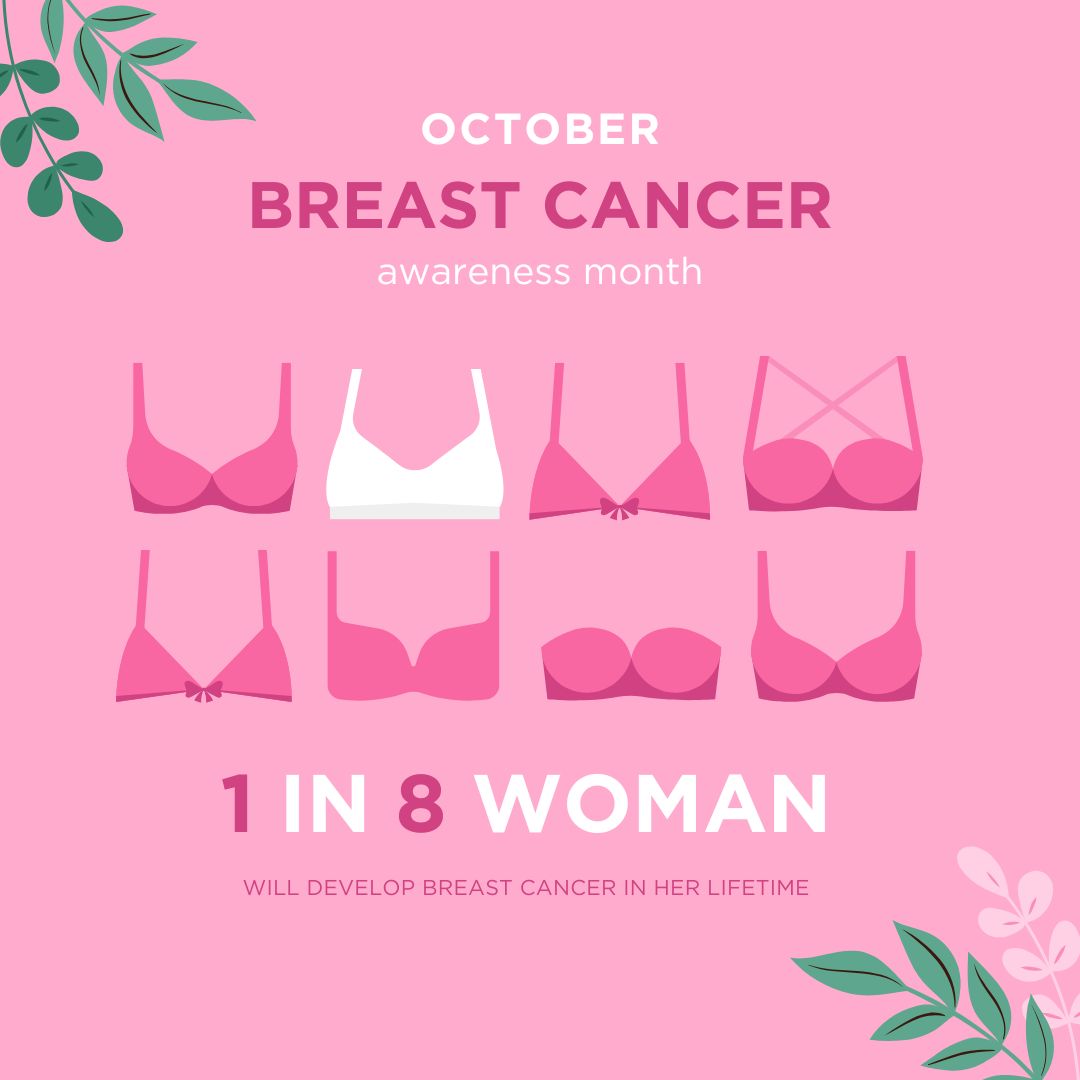
Pink for a cure—Since I can remember, I have associated the color pink with Breast Cancer Awareness Month in October. We see the pink ribbons on storefronts, pops of pink lining the uniforms and cleats of professional athletes, and a sea of pink t-shirts in our cities during annual 5Ks. There’s no denying it—breast cancer has pinkified its way into generating mass awareness.
Awareness ≠ Activism
Well…sometimes. Awareness can lead to activism, but only when it’s backed by intention and meaningful engagement.
Take Facebook’s viral breast cancer awareness tactic from 2010, for example. A chain of private messages encouraged women to post a status with only their name followed by the color of the bra they were wearing (i.e. Lola, pink). It was a playful way to stir curiosity and confusion, but ultimately, to spark conversation around breast cancer.
But what began as innocent soon morphed into something more kinky and sexualized. As the meme evolved, it leaned on the tired adage that “sex sells”—but should cancer awareness ever be sexualized?
To put it simply, the meme lost the plot.
Let’s circle back. Just because something generates awareness online doesn’t mean it drives meaningful, prosocial change. And sometimes, the wrong parts of ‘awareness’ to a cause get emphasized. Like I mentioned, October is notably pinkwashed to symbolize breast cancer, so yes—we are aware breast cancer exists. But it’s the hard-hitting facts that should bring forth critical attention to the real-life cause.
For instance, it is estimated by the National Breast Cancer Foundation, Inc. that in 2025:
- 1 in 8 women will be diagnosed with breast cancer
- 316,950 women and 2,800 men will be diagnosed with invasive breast cancer
- When caught in the earliest stages, the 5-year relative survival rate is 99%
Now imagine if statuses read, “Lola, pink—get your mammogram by age 40” or “Betty, blue—dimpling in your breast could be a warning sign.” The intrigue would still be there, just with genuine, actionable awareness woven in.
“Through more action-oriented mobilization approaches, your message will transform audiences into more interested, knowledgeable and vested advocates for your cause.” – L. Meghan Mahoney & Tang Tang, Strategic Social Media: From Marketing to Social Change, 2016
Why Social Media Mobilization Works
Even in the instance of generating awareness through vague Facebook statuses, there is no denying that cyberactivism within social media mobilization is tried and true.
Here’s Why:
- Virality is Power. Hashtags and share features can turn a single post into a cross-platform sensation overnight #instafamous
- Audio and Visuals Hit Hard. Think of that one Sarah McLachlan animal rescue commercial years ago—I know we all cried, and probably even donated
- It’s Free to Engage. Likes, shares, and comments cost nothing (except maybe your emotional bandwidth)
- Instant Diffusion. Post at 11:59, protest meetup by 12:01
- Everyone Can Join In. Text your friends. Guilt-trip them into sharing. Remind them of that pending Venmo request for lunch three days ago
Social Media Movements That Got It Right
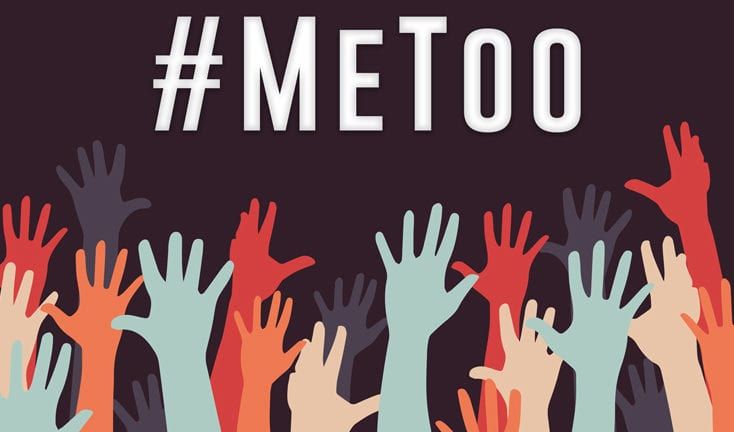
The ‘Me Too’ Movement
The #MeToo movement following Harvey Weinstein’s sexual misconduct allegations in 2017 set both the Hollywood industry and average world ablaze. The formidable hashtag connected women around the globe by sharing their vulnerable, personal experiences with sexual harassment and abuse. The result? Empowered survivors, workplace reform, visible accountability, and in many cases, legal consequences for perpetrators.
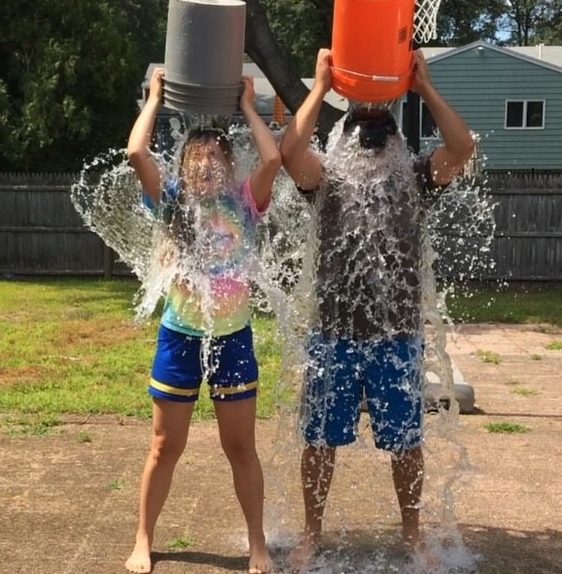
The ALS Ice Bucket Challenge
In 2014, three men living with ALS launched the #IceBucketChallenge to raise awareness and funds for the harrowing neurodegenerative disease. The challenge was simple: dump a bucket of ice water over your head while filming, post the video to social media, and nominate three friends to participate. Along with the highly engaging—and certainly entertaining—videos shared, information and resources surrounding ALS spread like wildfire, resulting in over 17 million participants worldwide and $115 million in donations.
In The End…
Needless to say, cyberactivism can be widely successful if the content being shared is both engaging and meaningful. Social media is a breeding ground for connection, influence, and impact. The opportunities to unite passionate, like-minded individuals and ignite real change is: one, essentially boundless, and two, a force to be reckoned with.
Let’s just make sure we’re not losing the message in the meme.


 MikThoughts
Leave a comment